


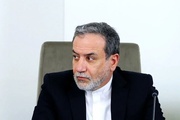
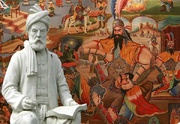
In a post on his X account on Saturday, Esmaeil Baghaei wrote, “A civilization that is incapable of solving the problems it creates is a decadent civilization; a civilization that chooses to close its eyes to its most crucial problems is a sick civilization.”
Baghaei also cited Césaire’s warning that empires built on hypocrisy eventually lose the ability to deceive the world.
“A civilization that plays fast and loose with its principles is a dying civilization,” the spokesman underlined.
“Increasingly, it takes refuge in a hypocrisy which is all the more odious because it is less and less likely to deceive,” Baghaei noted.
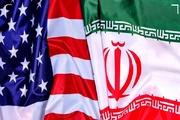
The remarks came as the US-Israeli war on Iran continues to expose widening fractures within the Western alliance and deepen global economic turmoil.
What Washington and Tel Aviv initially portrayed as a decisive war to crush Iran and force political surrender has instead evolved into a costly regional confrontation with no clear victory in sight.
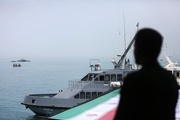
Despite months of bombardment, sanctions, naval pressure, and attacks on critical infrastructure, Iran has remained politically intact and militarily capable, while continuing to exert leverage over one of the world’s most strategic waterways, the Strait of Hormuz.
The unprovoked war has triggered soaring oil prices, shipping disruptions, inflation fears, and emergency energy measures across global markets.
European allies, meanwhile, have shown growing reluctance to directly join Washington’s military escalation.
Several NATO and EU governments publicly rejected US calls for expanded naval involvement in Hormuz, reflecting fears of being dragged deeper into a war increasingly viewed as reckless and open-ended.
At the same time, Tehran has demonstrated that attempts to isolate it have failed to fully sever its international partnerships, according to Press TV.
Iran has continued coordinating maritime passage with China and maintaining energy flows despite Western pressure campaigns and naval threats.
Analysts warn that the war has increasingly revealed the limits of Western power projection in the region.
MNA









Your Comment