

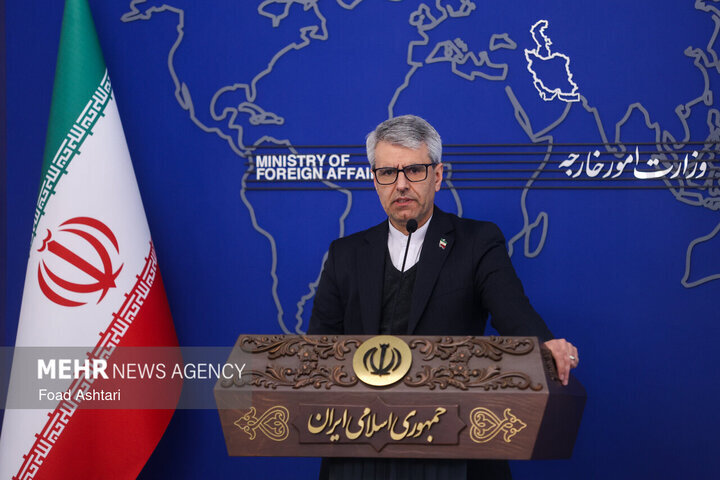
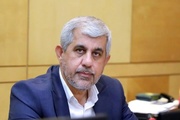
Speaking at his weekly press briefing on Monday, Iran's Foreign Ministry Spokesman Esmaeil Baghaei emphasized that Tehran does not formulate its policies under pressure or artificial deadlines and that the United States has violated the MoU from the outset.
There was no provision in the text of the memorandum of understanding (MoU) establishing a 60-day deadline, explaining that the document only envisaged negotiations on the nuclear issue within 60 days, he stated.
“We did not start any negotiations at all, and the US violated the understanding from the very beginning; therefore, the 60-day issue is not relevant,” he said.
Baghaei emphasized that Iran would make decisions based on its national interests and assessments rather than being compelled by a deadline.
“Iran is not a party that adjusts its policies under pressure and deadlines,” he underlined.
The spokesperson also said Iran’s Armed Forces are closely monitoring developments, stressing that “Our powerful Armed Forces are keeping a watchful eye on any movement.” He added that strengthening relations with regional countries is part of Iran’s ongoing activities.
Addressing US claims that Washington had changed its priorities regarding Iran, Baghaei said the claims demonstrates continued confusion and confirmed that the war of aggression against Iran had no basis other than serving the ambitions of “a regime in our region.”
He said the US had initially cited the need to confront an imminent threat from Iran as the reason for launching the war, but the Pentagon itself has rejected the claim and said there had been no such threat.
“They have trapped themselves in a quagmire and, in order to justify their failures, they are forced to change their objectives,” Baghaei said.
He added that Washington’s concern has now shifted to the Strait of Hormuz, which he said had been open before the aggression.
“Under these circumstances, the best thing for the US is to extricate itself as soon as possible before becoming more deeply involved,” Baghaei said, adding that acknowledging a mistake could pave the way for a correct decision, although he expressed doubt that US officials possessed “such courage.”
In response to a question on the fate of four Iranian pilots who went missing after Iran's March 2 strike on a US military base in Qatar and were captured alive in this country, Baghaei underlined that Tehran has been using diplomatic contacts and all available channels to determine the fate of four Iranian pilots who went missing during a defensive operation against a US military target in Qatar.
Tehran has been using diplomatic contacts and all available channels to determine the fate of four Iranian pilots who went missing during a defensive operation against a US military target in Qatar, the spokesperson for the Foreign Ministry stated.
He said Iran maintains regular contacts with Qatar and has conveyed its concerns and considerations to the Qatari side regarding the missing pilots.
The spokesperson stressed that Tehran is seriously demanding clarification of the fate of the Iranian Air Force personnel who had been dispatched on a defensive mission “to target the source of the US aggression.”
“We have been pursuing the issue since the very day we became aware of it,” Baghaei said, adding that he was present with Foreign Minister Abbas Araghchi when the latter was informed about the matter on the evening of the first days of the US-Israeli war of aggression, after which the pilots’ fate was immediately placed on the agenda.
Baghaei said Iran sent its first correspondence to the International Committee of the Red Cross (ICRC) on February 15, while the Iranian Embassy in Doha also began following up on the matter from those early days.
“As long as their status has not been clarified, the assumption is that they have been captured, and we are using all capacities to determine the status of the pilots,” he said.
He reiterated that the fate of the four pilots had been pursued from the earliest days, emphasizing that “they were on a defensive operation.”
Iran has recently made public for the first time its assessment that three of the pilots who went missing after a March 2 operation against the US-operated Al Udeid Air Base in Qatar were captured alive by Qatari forces.
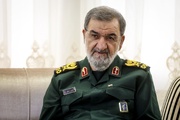
Brigadier General Mohammad Bagherzadeh, commander of the Missing in Action Search Committee of Iran’s Armed Forces General Staff, raised the issue in a letter to ICRC President Mirjana Spoljaric Egger on August 15, expressing grave concern over their fate and urging the organization to investigate their condition and facilitate their release.
According to Bagherzadeh, two Iranian Air Force Su-24s carried out the mission but were hit by enemy air defenses while returning, forcing their crews to eject. One of the four pilots, Brigadier General Majid Kazemi, was martyred, with DNA testing later confirming his death and his remains returned to Iran. Baqerzadeh identified the three other pilots as Javad Salehi, Abdolmajid Dashtian and Omran Behraveshian, saying they had been captured alive by Qatari forces.
The Iranian military official said Tehran had been unable, despite diplomatic follow-ups, to meet or interview the three pilots or establish contact between them and their families. He cited provisions of the Third Geneva Convention concerning prisoners of war and called on the ICRC to urgently establish contact with the pilots, report on their health and help secure their “swift release.”
The disclosure followed months of uncertainty over the pilots’ whereabouts. Iranian officials have repeatedly urged Qatar to clarify their status and act in accordance with international humanitarian law, while Qatari authorities have said they had no information about the missing airmen. The March 2 operation came amid Iran’s broader military response to US and Israeli attacks that began on February 28.
MNA/6918959









Your Comment