


In a post on his X account late on Wednesday. Esmaeil Baghaei referred to recent oil pollution reported along the shores of Qeshm Island in southern Iran, saying the incident highlights the broader environmental degradation of the Persian Gulf and Sea of Oman over recent decades.
He attributed much of the damage to commercial and military activities in the region and questioned who should bear responsibility for the resulting costs.
“Why must addressing the environmental condition of the Strait of Hormuz and its surrounding waters form an integral part of any future administration of the Strait?” he wrote.
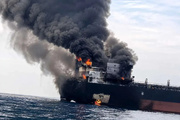
“In recent days, videos have circulated showing oil pollution along the shores of Qeshm Island. This pollution drifted toward the coast from the Persian Gulf, and preliminary evidence indicates a foreign bulk carrier as the source. Contamination has been documented at three coastal sites and across portions of the sea surface,” he added.
“This incident is only one visible example of the extensive pollution—both overt and concealed—that has degraded the waters of the Persian Gulf and the Sea of Oman, as well as the region’s marine ecosystem, over recent decades, imposing trillions of dollars in damage on Iran’s coastal areas,” the spokesman noted.
“Who bears responsibility for compensating these damages? Is it the nations that consume the inexpensive energy exported from our region, the shipping insurers, or the aggressors and their partners who have transformed the Persian Gulf and the Sea of Oman into a theater for military operations and the testing of highly destructive weaponry?” Baqaei stated.
“As the country with the longest coastline along the Persian Gulf and the Sea of Oman, Iran cannot remain indifferent. Every party that benefits from commercial shipping through the Strait of Hormuz carries both a legal and a moral obligation to remediate the environmental harm inflicted upon the Persian Gulf and the Sea of Oman,” he wrote.
MNA





















Your Comment