


Iranian President Masoud Pezeshkian departed for New York on Tuesday to attend the annual session of the United Nations General Assembly. He is scheduled to deliver a speech on Wednesday morning local time from the UN podium.
During his visit, Pezeshkian will also hold meetings and consultations with heads of various countries, as well as with UN Secretary-General António Guterres. In addition, he will participate in sessions with think tanks, forums, and Iranian expatriates residing in the United States.
The president of Iran’s 14th administration is traveling to the UN headquarters in Manhattan, New York, where the annual gathering of leaders from 193 member states takes place. Considerable attention is expected to be focused on him and his address to the General Assembly. Pezeshkian’s presence at the UN aims to showcase a “smart maneuver of diplomacy” to influence global equations and highlight Iran’s rationality and authority on the international stage.
This trip is viewed as part of Iran’s active diplomacy in the global arena and follows a tradition of presidential participation in UN summits dating back to the administration of the late President Mohammad-Ali Rajai. The General Assembly session, held annually in the third week of September, is regarded as the largest and most significant political event in the world. This can be an opportunity to project the country’s ancient identity while emphasizing the nation’s rationality, pursuit of peace, and dignified logic in addressing key global issues.
The UN General Assembly, one of the six principal organs of the United Nations, is holding its 80th session this year. The event, convened under the theme “Better Together: 80 Years and Beyond for Peace, Development and Human Rights”, is being attended by leaders and delegations from all 193 UN member states from September 22 to 28 at the organization’s headquarters in New York.
Masoud Pezeshkian is making his second trip to the United Nations General Assembly, marking the 24th visit of an Iranian president to the UN since the Islamic Revolution. The first Iranian president to attend the General Assembly was Ayatollah Seyyed Ali Khamenei, who, as president at the time, addressed the forum in 1987. His speech was described as impactful and resolute, with such extensive revelations of US actions against Iran that the American representative walked out of the hall in anger midway through his remarks.
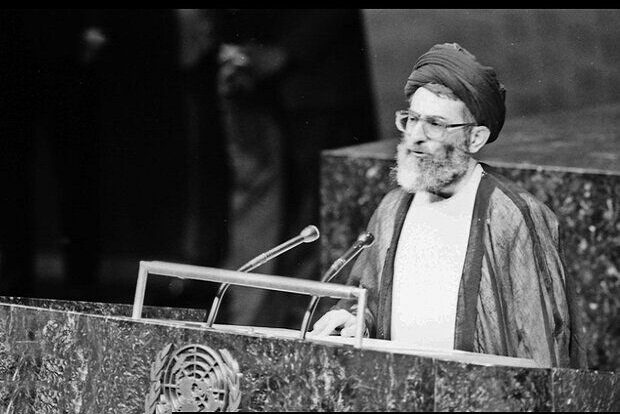
In his address, Ayatollah Khamenei began by saying, “I come from Iran, the birthplace of one of the most renowned yet least known revolutions of contemporary times. A revolution founded upon the religion of God, following the path of prophets and great divine reformers, a path as long as the entire history of humanity. The firm root and underlying idea of this revolution is the monotheistic worldview of Islam.”
Years earlier, in 1980, Prime Minister Mohammad-Ali Rajai had traveled to the UN Security Council amid the Iraqi Ba’athist invasion of Iran, delivering a speech during the presidency of Abolhassan Banisadr. However, that trip was not for the annual leaders’ summit of the General Assembly, nor was it in the capacity of president.
Following Ayatollah Khamenei’s appearance, successive Iranian presidents addressed the UN General Assembly: Akbar Hashemi Rafsanjani once in 1991, Mohammad Khatami three times in 1998, 2000, and 2001, Mahmoud Ahmadinejad every year of his eight-year presidency, Hassan Rouhani seven times (except for his final year due to the COVID-19 outbreak), and Ebrahim Raeisi twice, in 2022 and 2023.
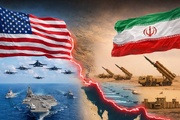
Pezeshkian also traveled to New York last year, shortly after taking office, to deliver his first UN speech as president of the 14th administration. This year’s trip comes under especially sensitive circumstances, as Iran and the region have faced critical developments in recent months following Israeli aggression. On June 13, Israeli airstrikes on Iran triggered a 12-day war, which was met with a firm response from Tehran. In addition, the United States and Israel—two nuclear powers—carried out attacks on Iran’s peaceful nuclear facilities, escalating tensions across the region. The Israeli regime subsequently attacked Qatar, further violating international law.
Although Iran continues to reaffirm its commitment to the Nuclear Non-Proliferation Treaty (NPT) and recently signed an agreement with the International Atomic Energy Agency (IAEA) in Egypt, the European troika pushed forward the “snapback” mechanism despite having failed to uphold their own obligations under the 2015 nuclear deal (JCPOA). Iran, while under the most severe and unprecedented sanctions in history, has maintained compliance with its commitments under the JCPOA in exchange for reciprocal action.
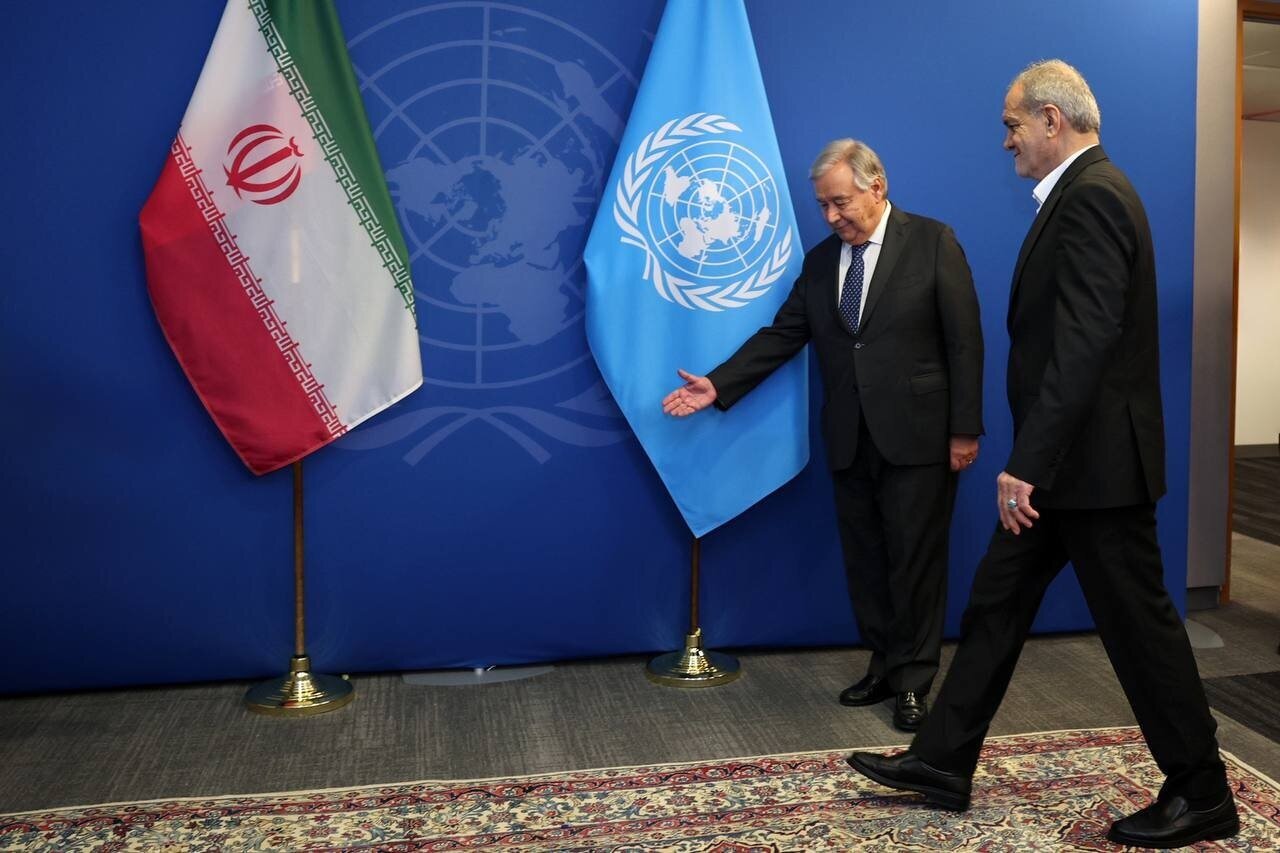
It can be said that Pezeshkian’s visit to the UN can be viewed as the country’s most significant political and diplomatic event of the year, one closely watched by the media and global observers.
This is while Tehran acknowledges that its challenges with the West cannot be resolved through simple recommendations, particularly after this year's indirect talks with Washington collapsed amid Israeli and American military strikes. Officials argue that the West seeks regional hegemony and unilateral dominance, which contradicts the principles of the Islamic Revolution.
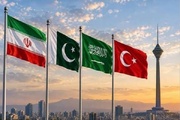
At the same time, Iran aims to use every diplomatic opportunity to improve political conditions and push for the lifting of sanctions. While skeptical of what they describe as “hypocritical gestures” by Western officials in public about peace and justice, Iranian policymakers stress the need to expand ties with members of the SCO, BRICS, and the Global South. They also highlight the potential for cooperation with Islamic and Arab countries—including Pakistan, Egypt, Turkey, Iraq, and others—in support of Palestinians in Gaza and in solidarity with Qatar following Israeli attacks.
Iran possesses significant cards to leverage in dialogue with Western powers. These include the resilience and indigenous nature of its nuclear industry, the social cohesion that emerged during the 12-day confrontation with Israel, the country’s advanced defensive capabilities, strategic relations with Eastern powers, the expertise of Iranian elites, the resilience of its economy under sanctions, and the cultural and civilizational depth of Iran’s ancient heritage. These factors will play a crucial role in neutralizing the snapback mechanism and advancing Iran’s diplomatic agenda.
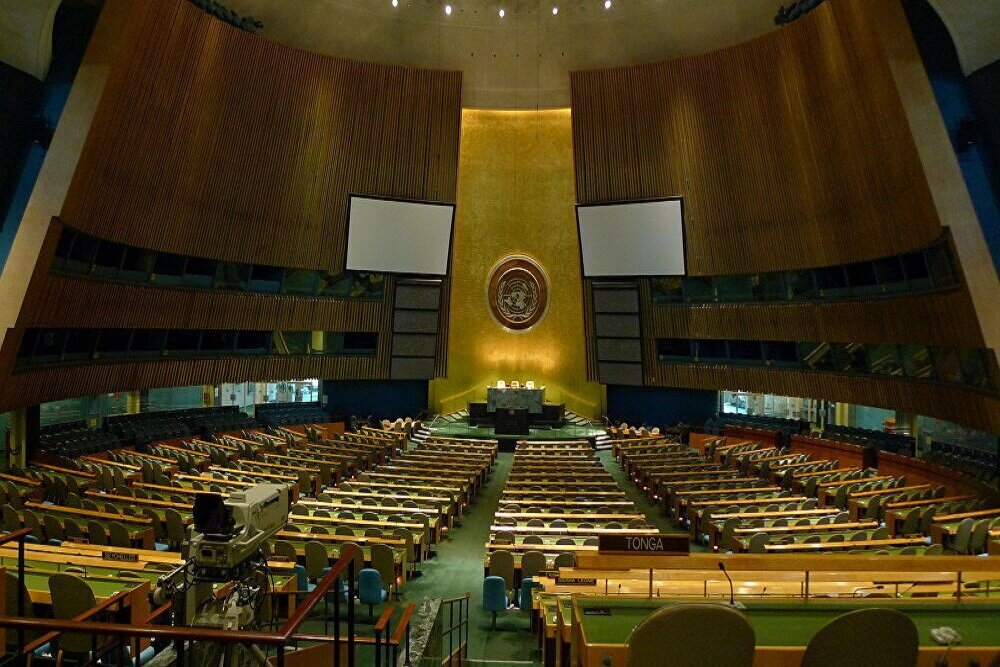
The United Nations, particularly the General Assembly, has long been one of the most significant arenas for confrontation, dialogue, and diplomacy among states. For Iran, this international body is not only a place to present official positions but also a stage to showcase its soft power and diplomatic capacities. Iranian representatives, through active participation in negotiations, speeches, and multilateral consultations, aim to influence global public opinion, presenting the true image of the country’s foreign policy, and simultaneously send strategic messages to major powers and centers of global influence.
At the same time, Iran’s presence in New York provides Tehran with opportunities to engage with various countries and organizations on the sidelines of the meetings. Such interactions can help reduce pressure, open new channels of cooperation, and highlight Iran’s regional and global role. In this sense, the UN serves not merely as an international institution, but as a platform for Iran to project its diplomatic strength, strategic intelligence, and capacity to shape international calculations—while promoting messages of peace, justice, transparency, and authority in the global arena.
MNA/




Your Comment