


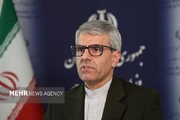
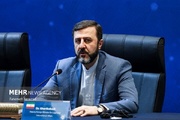
“We have incorporated all our important positions into the draft MoU,” Gharibabadi said in a televised interview late on Monday.
“This memorandum does not mean trusting the enemy; it has been written with active distrust. We will monitor the implementation of US commitments.”
The deputy minister declared that starting Monday night, the US naval blockade against Iran will be terminated, along with “the immediate and permanent end of the war and military operations on various fronts, including Lebanon.”
The announcement follows weeks of intensive negotiations mediated by Pakistan, with support from Qatar, Saudi Arabia, and Turkey.
Earlier on Sunday, Pakistani Prime Minister Shehbaz Sharif announced a “peace deal” had been reached, and US President Donald Trump welcomed the announcement on Truth Social.
Gharibabadi stressed that Iran never trusted the United States throughout the negotiations.
“This memorandum does not mean trusting the enemy; it has been written with active distrust,” he reiterated. “We will monitor the implementation of US commitments.”
He added that after the official signing, the full text of the MoU will be published, and before that, Iranian officials will explain its various dimensions and achievements to the public through the media.
The deputy minister revealed that Iranian military power directly influenced the final text, Press TV reported.
“Threats tonight by Iran were effective in advancing certain issues in the negotiation text,” Gharibabadi said, referring to warnings by Iran’s armed forces to the US about the consequences of the Israeli regime’s Sunday attacks on Beirut’s southern suburbs.
“We did not agree to the MoU until we had incorporated every last point and demand into the text. Negotiations continued until one hour before the announcement.”
He also credited Hezbollah’s firm response to Israeli terrorism with facilitating the finalization.
“Our armed forces were ready to deliver a decisive response. Trump also adopted positions and criticized the Zionist regime. Hezbollah gave firm and decisive answers to the terrorist act of the Zionist regime.”
“Military power and the threats we made helped finalize the text and advance several issues we were working on,” Gharibabadi said.
MNA



Your Comment