


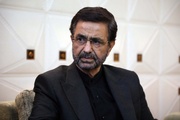
Kazem Gharibabadi, Iran's deputy foreign minister for legal and international affairs, said the United States has reneged on its commitments at least three times in the past year and a half, showing that Washington cannot be trusted at the diplomatic table.
Gharibabadi said none of Iran's key requirements can be dropped from any agreement: a permanent end to the war on all fronts, an end to the U.S. economic blockade, releasing Iran's frozen assets, and the lifting of certain sanctions including in the oil sector. He said Washington imposed new sanctions after abandoning and fully cancelling the previous understanding, and their status must also be settled rather than left as new leverage requiring fresh negotiations.
He said new U.S. military equipment and forces sent to the region after the previous understanding must also be addressed with practical action. He said the steps are not time-consuming, and that Iran's initial seven-day plan was reduced to two days during about two months of consultations with mediators, especially Qatar and Pakistan. He said the actions could be carried out within two days and lead to the reopening of the Strait of Hormuz, and that the plan is now on the table.
He said the two sides remain some distance from finalizing a text, because the U.S. wants to postpone some steps.
He said Iran faces two situations, a diplomatic path and continued military threats and war conditions. He rejected the description of the situation as "neither war nor peace," saying that from a legal perspective Iran remains in a state of war because U.S. harassing actions and military operations against its interests continue.
MNA















Your Comment