


The Leader of the Islamic Revolution made the remarks on the occasion of Sacred Defense Week (Iraqi imposed war against Iran 1980-1988) and also the second martyrdom anniversary of former Secretary General of Hezbollah Resistance Movement Sayyid Hassan Nasrallah, emphasizing that the enemy’s dream to defeat Iran in all fields will not come true and the country will not return to the era that the enemy desires.
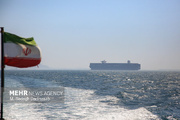
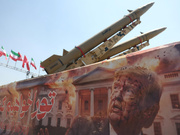
Ayatollah Khamenei said that in those days, two seas in southern Iran were once like a "playground" for enemy forces, but they no longer venture beyond the Arabian Sea given the painful blows they have received from brave and powerful Iranian combatants and the defenders of the Strait of Hormuz.
The Leader of the Islamic Revolution added that whenever they took the risk of doing so, they suffered damage themselves, highlighting that it will not be long before the Arabian Sea, too, is cleared of their presence.
Pointing to the efforts of the hegemonic powers to drag Iran back into an era of backwardness, "humiliation and disgrace," dependency, and disrepute, through the war imposed during the first decade of the Revolution, the Leader stressed, “Despite these extensive and widespread efforts, the Islamic Establishment rose up more vigorous and stronger than before, with a more resonant voice.”
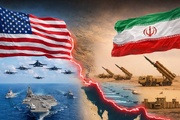
Now, under the pressure of the enemy, particularly due to the two recent wars imposed against the country by the terrorist US government and criminal Israeli regime, the Islamic Establishment has grown to such an extent that enemies of the country are sacred of confronting Iran in all fronts, Ayatollah Mojtaba Khamenei emphasized.
Leader of Islamic Revolution Ayatollah Seyyed Mojtaba Khamenei honored former Hezbollah Chief martyr Sayyid Hassan Nasrallah on the second anniversary of his martyrdom, calling him the heroic Arab commander and great symbol of the Resistance Front.
Those who opposed the Resistance Movement will, unlike Sayyid Hassan Nasrallah and Sayyid Hashem Safieddine, be forgotten and remembered as evil, imprudent, or even treacherous, he maintained.
Leader of the Islamic Revolution stated that Hezbollah Secretary General Sheikh Naim Qassem now carries Nasrallah’s glorious banner and continues his path with Hezbollah.
The Islamic Revolution under the late founding father of the Islamic Revolution Imam Khomeini (RA) ended a period of foreign domination, when ambassadors of arrogant powers dictated policies to the deposed Shah, the Leader underscored.
The Leader said the first imposed war was the enemies’ most important action in the first decade of the Islamic Republic to reverse the Revolution, he said, adding, “From the first imposed war, the Islamic Establishment of Iran rose like a phoenix, stronger, louder, and higher, and this became its recurring pattern.”
The enemy wanted to return Iran to backwardness, humiliation, dependence, and ill repute but completely failed, he reiterated, adding, “Some now call Iran the fourth superpower, while “divine calculations” regard it as the first power.”
In the past, southern seas were open to enemy forces; now, due to warriors and guardians of the Strait of Hormuz, enemies do not move beyond the Arabian Sea, he continued.
“The past days that our enemy wishes to return have passed and will never be repeated,” the Leader said, stressing that the country’s future would be stronger as a result of the experiences and legacy of the Islamic Revolution and the Sacred Defense.
The Leader also referred to Iran’s ongoing tensions with its adversaries in the region, including developments involving the Strait of Hormuz. He said those who once sought to dominate Iran have been forced to confront the country’s military capabilities, adding that Iran’s defense capabilities have fundamentally changed the balance compared with previous decades.
The Leader further praised the participation of different segments of Iranian society in supporting the country’s defense and said women have increasingly demonstrated a prominent role in courageous public participation. He also emphasized that various social groups have stood behind Iran’s legitimate positions, including its stance on the Strait of Hormuz.
Ayatollah Khamenei said the country’s current achievements should also be viewed in light of the sacrifices of the late Imam Khomeini (RA) and martyred Leader of the Islamic Revolution Ayatollah Seyyed Ali Khamenei, whose leadership contributed to Iran’s present standing. He added that their legacy would help shape a stronger future.
Paying tribute to martyr Seyyed Hassan Nasrallah on the second anniversary of his martyrdom, the Leader described him as a prominent figure of the resistance front and a sincere advocate of the Lebanese people and the cause he represented.
He praised Nasrallah’s speeches and actions, saying they strengthened the resolve of his supporters and Resistance forces and raised Lebanon’s standing in the region. Ayatollah Khamenei also highlighted Nasrallah’s role in the history of the resistance and said his legacy continues under Hezbollah Secretary General Sheikh Naim Qassem.
He said the current period in Lebanon would remain an important chapter in the history of the resistance, adding that the sacrifices of Nasrallah, Seyyed Hashem Safieddine and other Resistance fighters would continue to influence future generations.
In conclusion, he expressed hope that the Iranian nation and all allies of the Resistance Movement will encounter nothing but victory, triumph, and honor, while their enemies face nothing but defeat and humiliation.
MNA



Your Comment