


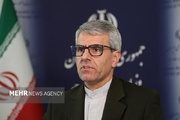
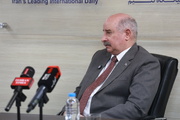
We reached an understanding on a number of issues, but on 2-3 important issues, views were far apart, and ultimately, the talks did not lead to an agreement," Baghaei said.
He underlined that this round of negotiations was the longest round of negotiations in this year and lasted a total of 24 or 25 hours.
"Diplomacy never ends. This is a tool for safeguarding national interests. Diplomats must carry out their duty both in times of war and in times of peace," he stressed.
"These negotiations took place after 40 days of imposed war and were conducted in an atmosphere of mistrust and suspicion; it is natural that, from the beginning, we should not have expected to reach an agreement within a single session. No one had such an expectation either," the senior Iranian diplomat noted.
"Another point was the complexity of the issues and the circumstances. Some new issues, such as the issue of the Strait of Hormuz, were added in these negotiations, and each of these has its own complexity. Under any circumstances, we in the diplomatic apparatus must pursue the rights and interests of the Iranian people," Baghaei added.
"I thank the government and people of Pakistan, and Mr. Shehbaz Sharif, the Prime Minister of Pakistan, Mr. Asim Munir, the Chief of Army Staff, and Mr. Ishaq Dar, the Deputy Prime Minister. We thank them for their gracious hospitality, and we are confident that contacts between us and Pakistan and our other friends in the region will continue," he concluded.
Despite the Iranian negotiating team’s efforts, the US's excessive demands prevented a common framework and agreement in the Iran-US talks.
The Iranian delegation presented various initiatives during these 21 hours of continuous and intense negotiations, but the Americans obstructed progress in the talks.
Reports indicate that various issues, including the Strait of Hormuz and nuclear rights, were among the points of disagreement.
No plans regarding the time, location, or next round of negotiations have been announced yet.
MNA









Your Comment