

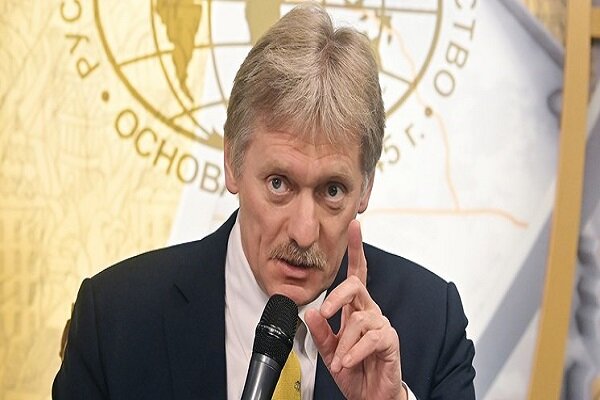
Dialogue on the future of the Strategic Arms Reduction Treaty (START) should begin between Moscow and Washington, but the issue of the nuclear arsenals of London and Paris will inevitably need to be resolved, Kremlin Spokesman Dmitry Peskov told TASS.
"Of course the negotiations should be started at the bilateral level. After all, the START Treaty is a bilateral document. But in the future, it will not be possible to abstract ourselves from these arsenals. Especially since these arsenals are part of the overall problem of global European security and strategic stability," he said.
The New START treaty was signed in 2010 by Presidents Barack Obama and Dmitri Medvedev and began the following year. It was extended in 2021 for five years, until February 2026.
START III, or New START, set limits on the number of intercontinental ballistic missiles, certain other missiles, and nuclear warheads for Russia and the United States.
Although President Putin suspended Russia’s participation in 2023 in protest of US support for Ukraine, he didn’t close the door and said Moscow would continue to observe the treaty’s limits on deployed nuclear weapons. More recently, he proposed that those limits remain in place for another year, a suggestion welcomed by the White House.
In February 2023, President Vladimir Putin announced that Moscow was suspending its participation in the accord, though not withdrawing from it.
Before returning to treaty dialogue, Russia wanted to understand how the arsenals of other NATO nuclear powers - the United Kingdom and France - would be accounted for, he said.
Moscow and Washington indicated their intention to continue voluntarily observing the treaty’s central quantitative restrictions until its expiration.
On September 22, Putin told a meeting of the Security Council that Russia is prepared to abide by these restrictions for one year after the treaty expires in February 2026. He stressed, however, that this would only be possible if Washington does the same.
HM/









Your Comment