


In a letter to Secretary-General António Guterres and the Security Council president, Ambassador Amir Saeid Iravani detailed a series of U.S. strikes on bridges, railway stations and residential areas across the southern province of Hormozgan. He said the attacks constituted a "flagrant violation" of Article 2(4) of the UN Charter and a breach of the prohibition on the threat or use of force.
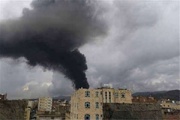
Iravani reported that strikes late Thursday and early Friday destroyed several major bridges along the Bandar Abbas–Lar and Kahurestan–Bandar Khamir routes. After one bridge was hit, a civilian vehicle plunged from the damaged structure, killing seven people and wounding nine. A deliberate attack on a residential neighbourhood in Bandar Abbas killed one civilian and injured eight others, he said.
The Bandar Abbas railway station, a key node in the International North–South Transport Corridor, was struck in a direct military attack, damaging the terminal and wounding two railway workers. Passenger train services on the route were suspended, he added.
Among the 43 confirmed dead are three women and one child, Iravani wrote. Twenty-two women and nine young children are among the wounded, with 47 people currently hospitalised in critical condition. The total number of wounded since early July has surpassed 400, according to Iranian health ministry figures cited in the letter.
The repeated targeting of civilian property and objects, particularly critical transport and railway networks, constitutes a war crime, the ambassador said, adding that Washington bears full international responsibility for the loss of life, injuries, destruction of infrastructure, environmental damage, and all consequences arising from its internationally wrongful acts.
Iravani warned that the unrelenting commission of these unlawful military attacks poses a "serious and imminent threat to international peace and security, freedom of navigation, regional stability, and the security of the Persian Gulf and the Strait of Hormuz. He urged the Council to fulfil its primary responsibility under the Charter and ensure accountability for all U.S. violations
Should the United Nations continue to fail to act, he added, Iran "reserves its inherent right under international law to take all necessary measures to protect its sovereignty, territorial integrity, people and vital national interests."
MNA






Your Comment