


“Iran enters diplomacy with open eyes and a steady memory of the past year.”
— Foreign Minister of the Islamic Republic of Iran
This statement by Seyed Abbas Araghchi, on the eve of the Iran-US nuclear talks in Muscat, Oman, should not be treated as a passing remark. It should be the guiding principle for Iran as it continues its negotiations with the United States. Entering diplomacy with open eyes means more than recalling broken promises or failed agreements; it means understanding the strategic environment, as it exists now, not as it is presented across the negotiating table.
The past years offer Iran no shortage of lessons. Signed agreements were torn, understandings were reversed, and diplomacy once again proved vulnerable to political shifts in Washington. The US political system is inherently built in a way that offers no guarantees of lasting commitment to its international obligations. To remember this is essential. But memory, if it is to be useful, must extend beyond diplomatic texts and public statements. It must also encompass military realities unfolding in parallel with the talks.
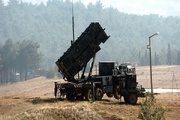
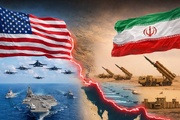
While negotiations continue, the United States is actively reinforcing and rebuilding air-defense systems around its military bases across the region—especially in areas in Iran’s immediate neighbourhood. This is not a neutral or defensive adjustment occurring in a vacuum. It reflects a clear assessment in Washington that, in their current state, U.S. bases remain exposed to Iran’s missile and drone capabilities. Until those vulnerabilities are addressed, military confrontation remains costly and risky.
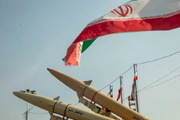
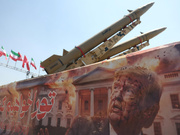
In other words, the United States is not yet ready for war. Its regional posture does not yet provide sufficient protection against a retaliatory Iranian strike. Especially the Khorramshahr 4, which Iran improved, both its production numbers and lethal capabilities, since its devastating use in the 12-day war with Israel. Air defences must first be layered, integrated, and tested. Once that process is complete, US strategic calculations may change.
History suggests a familiar pattern: diplomacy is pursued while war preparations continue elsewhere. Negotiations buy time—time to reposition forces, to build defensive infrastructure, and to improve readiness and upgrade defensive and offensive striking capabilities. Once those objectives are achieved, the incentive to sustain talks weakens, and a justification can be found to abandon the talks completely. The narrative may shift suddenly, portraying diplomacy as “exhausted” or “unworkable,” clearing the political path toward military confrontation.
This is precisely why Iran’s leadership must look beyond the formal setting of negotiations. Mindfulness of the past year should not stop at diplomatic disappointment; it must include a realistic appraisal of American military behaviour during the talks themselves. Diplomacy conducted under the shadow of active war preparation is inherently asymmetrical.
Entering negotiations with open eyes, therefore, requires strategic patience without strategic naivety. Iran should engage, but not at the expense of deterrence or preparedness. It should negotiate, but without assuming that the other side’s intentions are confined to the negotiating room.
The memory of the past year demands vigilance—not only against broken promises, but against the possibility that diplomacy is being used as a bridge, not to peace, but to a more favourable moment for war.
It is also telling that, in these important nuclear talks, the United States is not represented by seasoned diplomats, but by two real estate business partners of the US president.
I still stand by my belief that, when the US and its allies talk peace, they in fact are preparing for war. We have seen this repeatedly. The last time was less than a year ago.





Your Comment