


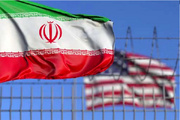
In the recent years, tensions and shadow wars between Iran and the Israeli regime have significantly increased. These conflicts are not limited to the direct military battles, but the field of intelligence and espionage has become one of the main fields of competition. Iran has been able to increase its influence in sensitive security and social layers of Israel and collect vital information through a network of domestic spies by using complex and targeted strategies. What makes the process of Iranian influence remarkable is the internal weakness of Israeli society and the crisis of legitimacy of the Israeli regime. Analyses show that many residents of the occupied territories do not believe in the future of the Israeli regime and its stability and feel that the political and social structure is collapsing. This distrust, along with economic problems, religious and ethnic differences, and pressures resulting from ongoing conflicts with the Palestinians, has provided a suitable ground for infiltration and recruitment of spies.
The data developments between Iran and Israel in recent years show that both sides are engaged in a complex and multi-layered covert war. During 12-day Israeli imposed war against Iran, the Zionist regime was able to demonstrate its influence networks in Iran; networks of Iranian and non-Iranian operatives who were used to gather information about Iran’s nuclear facilities, the activity of scientists, and even the Iranian defense structures.
Some of these operatives also played a role in the transfer of secret equipment and technology used in covert operations against Iran. After the war ended, Tehran launched a massive wave of arrests aimed at identifying infiltrators. At the same time, however, Iran has also expanded its recruitment and infiltration campaign deep inside occupied Palestine. According to Israeli security reports, Iranian efforts to recruit Israeli residents, often through cyberspace and with financial incentives, have accelerated since at least 2020. According to registered data, from 2013 to 2025, some 39 Iranian-related espionage or security cases were discovered inside Israel, 31 of which involved Israeli residents. Many of these forces had simpler tasks, such as providing images of military bases, monitoring army movements, or even putting up anti-regime posters; but since 2024, the missions have entered a more serious phase.
Iran's strategy of influence in Israel
Iranian influence in Israel has started for years, but it has only intensified since the early 2020s. Data-based analysis shows that Iran uses digital targeting, social media, and online communications to recruit spies. Platforms such as Telegram, WhatsApp, Instagram, and Facebook play a key role in this strategy, allowing Iran to recruit individuals with financial, social, or psychological motivations.
Iran focuses on individuals who are facing financial, social, or psychological difficulties. A review of recent cases shows that the majority of those recruited to spy are minorities, recent immigrants, or those with little sense of belonging to the Israeli society. The crisis of trust in the regime and concern for the future create very important incentives for cooperation with Iran. Sociological analysis of this trend shows that Iran exploits the weakness of social cohesion and a weak sense of identity in Israeli society and uses it as an entry point for the influence.
Real examples of infiltration and espionage operations
Israeli Minister's Spying for Iran: Former Israeli Energy Minister Gonen Segev is considered one of the most important cases of Iranian influence in Israel's political and security structure. He eventually pleaded guilty to spying for Iran and reached an agreement with the prosecutor’s office to avoid trial on charges of "betrayal of Israel."
According to the official reports, Segev had contacts with Iranian diplomats during his years in Nigeria, first as a practicing physician in Abuja and then in two direct meetings with Iranian embassy officials in 2012. The Shin Bet stated that he was effectively recruited by Iranian intelligence service and was acting as a spy for Tehran.
The investigation revealed that Segev provided Iran with important information about Israeli security officials, sensitive infrastructure, the energy market, and military and civilian headquarters. Israeli media wrote that he used encrypted communication systems and meetings in hotels and apartments around the world to transmit messages and information to Iran. According to interrogations, Segev tried to introduce some Iranian agents to Israeli officials under the guise of a “harmless businessman” and effectively created a communication channel between Tehran and the Israeli security apparatus.
He was in contact with employees of the Ministry of War, the Ministry of Foreign Affairs, and Israeli security agencies to gather the data Iran needed. The Segev case was a heavy blow to Israel, because he was not just an ordinary citizen, but a former energy minister, a member of the Knesset, and a person familiar with Israel's security and infrastructure structures. The affair showed that even senior Israeli officials can become Iranian pawns in the information war between Tehran and Tel Aviv.
The case of Roy Mizrahi and Almog Atias: One of the most prominent examples of Iranian espionage in Israel is the case of Roy Mizrahi and Almog Atias. These two 24-year-olds, who lived in the city of Nazr near Haifa, were recruited into Iranian espionage networks. At first, their missions were simple and seemingly insignificant: taking pictures of their homes, recording car sales signs, and writing anti-government messages. But over time, their missions evolved into more complex tasks, such as installing CCTV cameras and collecting information about senior Israeli officials and military bases. The identity crisis and distrust of the future of the regime in these individuals reduced their sensitivity to government values, making them more easily recruited by foreign espionage networks.
The case of Bassem and Taher Safadi: Another important example is the case of Bassem and Taher Safadi, residents of the Druze village of Masada, who were accused of collaborating with Iran. Under the guidance of his father, Taher collected information about the movements of the Israeli army in the Golan Heights and sent it to a reporter on an Iranian television network. This case shows that Iran uses family and social networks to create spy rings and tries to obtain sensitive information by building trust. Distrust in the future of the Israeli regime, a sense of government ineffectiveness, and a crisis of internal legitimacy have created conditions in which social and family networks can easily become tools for foreign influence.
The case of Rafael Rouni: Rafael Rouni, a 21-year-old Israeli soldier, is another example of infiltration that shows that even people present at strategic military bases are targets of Iranian espionage. Regarding Iran’s security and military infiltration, Israel’s Channel 15 has admitted that “Iranian information has infiltrated the most sensitive military bases, including the strategic base of the Israeli Air Force.” In part of his statement, the Israeli Channel 15 reporter emphasized that the recently arrested soldier, named Rafael Rouni, was serving as a soldier at one of the strategic bases of the Israeli Air Force (Hatzerim Airbase).
According to the journalist, Rouni has been in contact with Iranian agents for a long time and has been spying for them. The journalist clarified that Rouni not only did not regret hurting the security of the Israeli regime, but also stated that he was willing to do anything to get money. Israel’s Channel 15 also warned, citing some Zionist officials, about Iran’s extensive influence in the Israeli military structure. According to the Israeli media, over the past few months, about 50 espionage indictments have been issued against Zionists, 5 of whom were members of the Israeli regime’s military. This case emphasizes that Iran has been able to increase its influence among key individuals in the Israeli military structure by using online networks and financial incentives. Psychological analysis shows that a crisis of trust in government institutions and fear of the future is among the main incentives of individuals’ cooperation with foreign spy networks.
Shimon Azarzar case: During the 12-day Israeli war against Iran, Shimon Azarzar, 27, was arrested on charges of spying for Tehran. According to CNN, he had been in contact with Iranian agents online for a year and provided Iran with sensitive military and air force information, including images of the Ramat David Airbase and missile strike sites. Azarzar even provided detailed information on the strikes during Iranian missile attacks and worked for Iranian agents in exchange for payments, including 333 shekels in cryptocurrency.
Prosecutors wrote that at one point during the 12-day war, Azarzar even texted an Iranian agent while fleeing an Iranian missile attack: “I am currently escaping your missiles and I can give you information about a specific location that was hit.” Azarzar was previously employed by a contracting company that carried out projects for the Israeli army, police and the Rafael Defense Company from November 2024 to March 2025.
Data analysis
The studies of Washington Institute found that from 2013 to 2025, Iran conducted at least 39 espionage operations in Israel, 31 of which involved Israeli nationals and the rest involved Palestinians or other non-Israeli citizens. The average age of the individuals ranged from 13 to 73, and more than half were in their teens or twenties. This data suggests that Iran simultaneously uses financial, ideological, and psychological incentives to recruit individuals, and this approach has made its espionage network in Israel more extensive but less sophisticated.
Furthermore, social and media data analysis shows that Israeli society is experiencing internal disintegration. Class divisions, ethnic and religious tensions, and widespread distrust of government institutions have made individuals more vulnerable to foreign espionage activities. Many citizens feel that the current Israeli regime is unable to guarantee their future, and this distrust strengthens the incentive to cooperate with foreign espionage networks.
Israel's response and countering influence
Israel’s response to Iranian espionage activities has been multifaceted. First, security measures have included arresting and prosecuting spies. Second, public propaganda and awareness campaigns, such as “Easy Money, Heavy Cost,” have been launched to inform Israeli citizens of the dangers of cooperating with Iran. Analysis of these campaigns suggests that Israel is attempting to weaken Iranian espionage rings through a combination of legal deterrence and public awareness. However, Israeli security officials acknowledge that Iranian operations inside the country remain a potential threat, because despite the simplicity of Iran’s methods, the human element is always the weakest link in security, and personal motives can lead to infiltration and the collection of vital information. Public distrust and a sense of social instability have increased this threat, allowing foreign espionage networks to penetrate internal gaps.
Psychological and social analysis of Iranian influence
A review of various cases shows that Iran targets individuals based on psychological, social, and political needs. People who lack a sense of worth or excitement in their daily lives, or who are struggling financially and socially, are most likely to cooperate with foreign spies. Israeli researchers say that money is not the only attraction, but the need for meaning, excitement, and a sense of efficacy also play an important role. This psychological analysis shows that Iran can exploit psychological and social gaps to make its spy networks wider and more stable. The collapse of trust in the regime and a sense of insecurity about the future deepen these gaps and create conditions for foreign influence.
Conclusion
According to an investigative report by Sarah Butch and Matthew Levitt at the Washington Institute, one of the most serious plots involved an assassination attempt on Israeli Prime Minister Benjamin Netanyahu, the former Minister of War and former director of the Shin Bet, in 2024. Israeli businessman Moti Maman traveled to Iran and Turkey twice to advance the plot and received 5,000 euros for attending meetings. According to the Washington Institute, Iran viewed the move as part of revenge for the assassination of the Hamas leader. According to the Israeli Internal Security Agency (Shin Bet), Iran-related espionage cases in Israel increased by about 400 percent in 2024 compared to the previous year. According to the head of the Israeli Police Security Department, Iran is taking advantage of the recent war between Israel and Hamas in Gaza to recruit Israeli citizens, and espionage activities in the country have increased.
Iran's influence in Israel is an example of the shadowy and sophisticated warfare of the information age. The use of online networks, financial incentives, and exploitation of social and psychological weaknesses are tools that Iran uses to expand its influence.
The long-term impact of Iranian operations in Israel is significant due to their influence at the human and social levels. Real-life cases such as Roy Mizrahi and Almog Atias, Bassem and Taher Safadi, and Rafael Rouni show that Iran has been able to create effective spy rings and use them to collect vital information.
Many of the employed individuals knew or suspected they were working for Iran, but some downplayed their actions. The missions varied; some were as simple as putting up posters, while others were more serious, involving intelligence gathering and even attempts to recruit others, sometimes family members.
MNA/6670127













Your Comment