

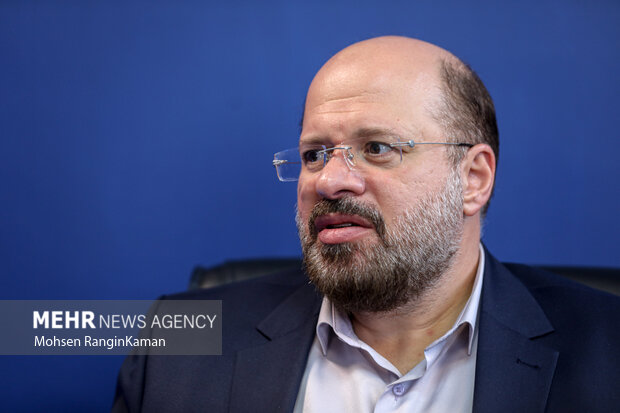
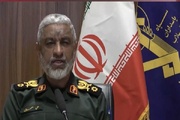
Khaled Qaddoumi, the Hamas representative in Tehran, said in a televised interview that the movement’s statement on the conditional approval of the proposed ceasefire plan came after extensive consultations within its leadership and with friendly mediators around the world.
“Trump claims he seeks peace,” Qaddoumi said. “We responded that this is good, but the details must be examined.” He explained that Hamas entered the proposal through Qatari and Egyptian mediation.
According to Qaddoumi, the statement emphasized several key conditions: an immediate end to the war, the withdrawal of foreign troops from Gaza, the entry of humanitarian aid, and the start of reconstruction. He said Hamas hopes international partners will help ensure the plan produces tangible relief for Gaza’s population.
Qaddoumi pointed to growing global support for the Palestinian cause, noting that “60 percent of American university students have voted in favor of Hamas and against Israel.” He also mentioned the launch of the Sumud flotilla to aid Gazans, which was a response to the “mass killings of women and children.”
People across Iran, Lebanon, Tunisia, Iraq, and elsewhere have come to understand that Israel is not only the enemy of Palestine but of all nations in the region, he added.
Qaddoumi said Trump’s plan suspended the forced displacement of Palestinians and recognized the resistance and the people of Gaza as part of the process. But he stressed, “We will never trust the Zionist regime; Netanyahu only pursues his own interests and does not even think about his own people. No one in the world trusts Israel."
“We have guarantees,” he said. “Trump says he can end the war in the region. We seek to achieve peace for our people, and they need to live a dignified life like the rest of the world.”
He confirmed that delegations from Qatar, Egypt, the United States, and Israel would meet in Cairo that should produce a “positive outcome. Hamas has provided the world with a historic opportunity.”
The 20-point plan, Qaddoumi said, includes two main phases: a temporary ceasefire, which is essential after Operation Al-Aqsa Flood and the Israel’s assault on Gaza.
The second category concerns broader issues that extend beyond the framework of a single movement like Hamas, he said. According to him, these matters include various issues ending the war, achieving a permanent peace, political issues, the fate of al-Quds, the situation of prisoners, and foundational concerns such as water resources. This phase requires national and regional review and agreement.
These matters must be put on the table with guarantees from eight Arab countries, the United Nations, and even from Trump himself, he emphasized.
However, the Hamas representative believed that talking for the sake of just talking won’t be enough. “These countries bear a significant responsibility. We won’t get anywhere simply by accepting a proposal and holding meetings. We must now implement the peace plan with all our might,” he added.
“This agreement includes stopping the genocide, the withdrawal and retreat of the Zionist regime's forces from the Gaza Strip, the entry of humanitarian aid into the area, and the reconstruction of Gaza. This is a shared responsibility, and a meeting for the sake of meeting offers no benefit.”
Elsewhere in his remarks, the Hamas official addressed the future of the movement's commanders and the resistance fighters in Gaza. “Persistence and resistance are the main reason for the victory of our people in Gaza. Today, we have reached the international level because of the resistance, the armed forces of Gaza, the solidarity and patience of the people, and their support for the school of thought of resistance and the Hamas movement."
Qaddoumi added that the future for Gaza is bright, saying, “Our priority is to improve the critical situation of the people of Gaza and resolve humanitarian issues, and alongside that, we are seeking sustainable political solutions for Palestinian society."
“Hamas has always opposed any forced displacement of Palestinians. Nearly 900,000 Palestinian citizens now live in Gaza, and displaced people have begun returning from the south to the north, rather than leaving Palestinian territory."
MNA/6611606










Your Comment