


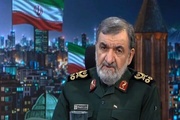
Speaking to national Iranian TV on Saturday in an interview, Major General Rezaei said that said diplomatic efforts had been underway for more than a month and that Washington continued to insist on holding talks.
However, he stressed that Iran had made clear that neither the Strait of Hormuz would be reopened nor negotiations with the United States would take place until Iran’s seven conditions were met.
Regarding Vance’s letter, Rezaei said he had read it but had not yet sent a response.
He described the letter’s tone as significantly different from previous correspondence, including an earlier letter from US President Donald Trump, calling the change a positive sign.
Rezaei said Iran was waiting to see a change in Washington’s behavior, adding that compliance with the seven conditions could serve as an indication of such a change.
Asked about the possibility of changing Iran’s nuclear doctrine, Rezaei said no new decision had been officially made by the country’s leadership.
He noted, however, that the question was now being raised as to whether Iran should maintain its previous nuclear doctrine if another war breaks out.
Rezaei said public demands for a possible change in the doctrine had emerged because Iranians had seen their country’s nuclear facilities targeted despite the peaceful nature of Iran’s nuclear activities and its cooperation with International Atomic Energy Agency (IAEA) inspectors.
He said people were questioning why Iran should continue with the same approach under such circumstances.
On the possibility of nuclear negotiations, he said Iran was a member of the Treaty on the Non-Proliferation of Nuclear Weapons (NPT) and would insist on its rights in any negotiations.
He stressed that Iran was determined to end the war in a way that would prevent any party from daring to attack the country again while ensuring the rights of the Iranian people.
MNA






Your Comment