


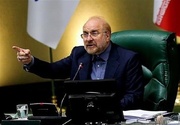
Ghalibaf reacted to the recent statements by the US Treasury Secretary Scott Bessent regarding the activation of certain currency‑swap arrangements aimed at preventing what US officials described as irregular liquidation of American assets.
In a post on his X account on Saturday, he wrote, "Swaps given ‘to prevent disorderly sale of US assets.’ Translation: some holders can’t sell. ICYDK: hidden single-digit % sale cap limits some institutional holders. Door closes if things escalate. Get out while open. Their frontline is the yield curve.”
According to the speaker, the reported measures indicate that some institutional holders of US bonds may face constraints in selling their holdings.
He noted what he described as sensitivities within the US financial system surrounding large‑scale bond sales and referenced the existence of informal thresholds that state‑linked or institutional investors reportedly observe.
The speaker added that, under worsening market conditions, the ability of some investors to sell such assets could become further limited.

He cautioned that the “door closes if things escalate,” framing the situation as time-sensitive for market participants.
The Iranian official added that the United States is prioritizing stability in its bond markets, emphasizing that “their frontline is the yield curve” — a reference to efforts to prevent sharp increases in Treasury yields that could result from mass sell-offs.
Ghalibaf’s remarks accompanied a reference to a New York Times report detailing discussions within the US administration on providing financial support to allied economies through currency swap arrangements.
According to the report, US Treasury Secretary Scott Bessent expressed support for extending such mechanisms to the United Arab Emirates (UAE) and some other countries affected by the US-Israeli war of aggression on Iran.
On Monday, The Wall Street Journal reported that the UAE had blamed US President Donald Trump for the economic fallout from the aggression against Iran.
The report said the Arab country had initiated negotiations with the US regarding a potential financial safety net to protect its economy if the war on Iran deepens the crisis in the Persian Gulf.
MNA








Your Comment